|
Antibacterial stainless steel created by Birmingham engineers
8/3/2011 |
|
|
Materials scientists have introduced copper or silver into a steel surface instead of coating it on the surface. Such surface is harder, durable, kills bacteria and provides resistance to wear and tear.
By introducing silver or copper into the steel surface (rather than coating it on to the surface), the researchers have developed a technique that not only kills bacteria but is very hard and resistant to wear and tear during cleaning.
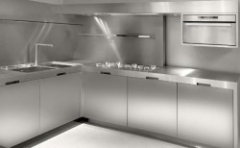
Bacteria resistant surfaces could be used in hospitals to prevent the spread of superbug infections on stainless steels surfaces, as well as in medical equipment, for example, instruments and implants. They would also be of use to the food industry and in domestic kitchens.
The team has developed a novel surface alloying technology using Active Screen Plasma (ASP) with a purpose designed composite or hybrid metal screen. The combined sputtering, back-deposition and diffusion allows the introduction of silver into a stainless steel surface, along with nitrogen and carbon. The silver acts as the bacteria killing agent and the nitrogen and carbon make the stainless steel much harder and durable.
The researchers replicated the cleaning process for medical instruments in hospitals. After cleaning the treated instruments 120 times they found that the antibacterial properties of the stainless steel were still intact and the surface still resistant to wear.
Hanshan Dong, Professor of Surface Engineering at the University of Birmingham and lead investigator, said: ?Previous attempts to make stainless steel resistant to bacteria have not been successful as these have involved coatings which are too soft and not hard-wearing. Thin antibacterial coatings can be easily worn down when interacting with other surfaces, which leads to a low durability of the antibacterial surface. Our technique means that we avoid coating the surface, instead we modify the top layers of the surface.'
Professor Dong's team are confident that this technique could be used in the manufacturing of stainless steel products as they are already able to surface engineer items of up to two metres x two metres in the laboratory.
Source: University of Birmingham |
|
|
|
|
|
主站蜘蛛池模板:
青青青爽在线视频观看|
国内免费av在线播放
|
99精品人妻一区二区三蜜桃|
日韩激情无码av一区二区|
国产精品无码v在线观看|
性做久久久久久久久|
999精品全免费观看视频|
国产精品一区在线观看你懂的|
亚洲人成网站观看在线观看|
99国产欧美久久久精品|
亚洲欧美偷国产日韩|
欧美福利导航|
国产麻豆精品自拍视频|
欧美和黑人xxxx猛交视频|
国产一二三|
天堂久久蜜桃一区二区三区|
a天堂一码二码专区|
久久精品免视看国产成人|
岛国免费视频|
66久久|
成人午夜在线观看刺激|
国产永久免费高清在线|
97福利视频|
搡老熟女老女人一区二区|
日韩av电影一区二区三区四区|
久久久综综合色一本伊人|
精品无码一区二区三区爱欲|
亚洲熟女乱综合一区二区|
69堂在线观看线无码视频一|
国产高清在线精品一本大道|
国产欧美日韩不卡一区二区三区
|
免费a级黄毛片|
奇米在线8888在线精品|
熟女丝袜无码|
久久人妻无码一区二区三区av|
成在线人免费视频播放|
亚洲AV第二区国产精品|
亚洲一区二区三区国产精品|
久久精品一卡二卡|
羞羞影院午夜男女爽爽免费视频|
国产线播放免费人成视频播放|